13. November 2025
Key Causation in Epidemiology: What Really Killed Skip?
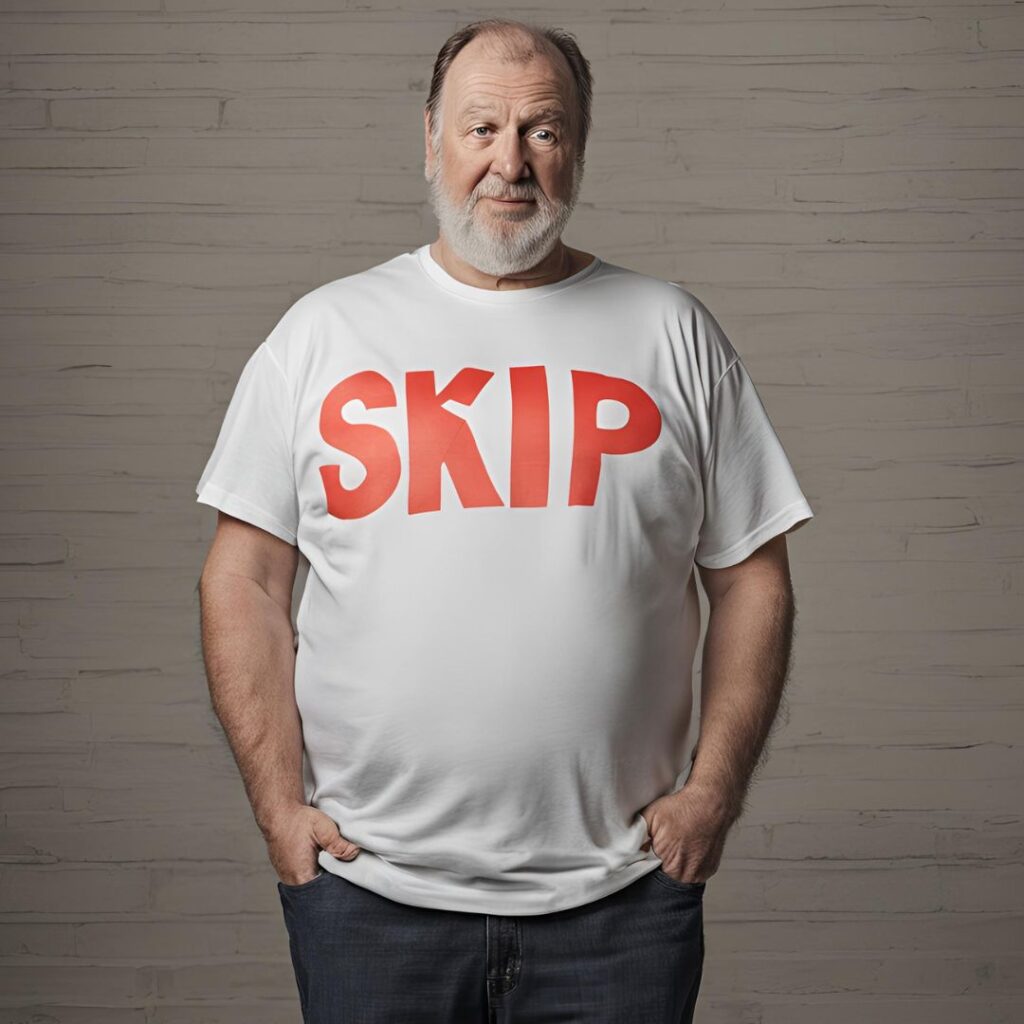
This is Causation in Epidemiology made fun. Read below and learn what really killed my pal Skip. ;) Below you’ll see a short video posted from my Youtube channel. It will make sense when you watch it (I think). I like to use props, often things in my kitchen, to explain public well-being concepts. I feel complicated concepts are easier to grasp that way. Growing up, it’s how I taught myself, mainly because my brain is like an amusement park. Sure, the concepts will be simplified, but that’s the point: these videos are about the fun, high-level “take-home” messages that hopefully inspire people to think about their mind-body health and risk factors in new ways. When it comes to holistic health communication, creativity, quirkiness and storytelling stick. Charts and graphs do not. A couple things before I post the Causation in Epidemiology video: In the video, I talk about a guy named Skip and what killed him. Skip doesn’t exist and the featured photo here is AI-generated. Obviously you guys are encouraged to realize that because no grown man wears a t-shirt with his name blaring on the front. At the same time, I feel like everyone will know Skip or someone quite similar. Who is YOUR Skip? Tell me after you watch the video. ;) Still, Skip was not killed, because Skip doesn’treallyexist. So don’t get upset when Skip dies. ;) Here is the video: Here’s the Causation in Epidemiology video transcript: “So causation is tricky, especially in physical wellness…because things add up and interact over time. I’m going to show you one approach to causation using my coffee mugs, and I think it’s key because chronic illnesses are increasing at younger and younger ages. This is a person. Let’s call him Skip. What will kill Skip? He has Type 2 Diabetes which he manages with meds. He struggles with obesity, he occasionally smokes and drinks, and he has high blood pressure which he manages with meds and eating lifestyle. So far, he’s making it work. He struggles, but Skip is Alive. Then here comes an airborne virus, which Skip’s body tries to fight off. But the obesity, Type 2 Diabetes, high blood pressure, and mindful lifestyle factors make it a lot harder. And unfortunately, Skip dies. Alive Skip…Dead Skip. So you can call the airborne virus a necessary cause, because it was necessary to kill Skip. The type 2 diabetes, obesity, high blood pressure and way of living factors, you can call them component causes, because they make it a lot harder for Skip to fight off the virus. The entire thing you can call a sufficient cause, because it was sufficient enough to kill Skip. And don’t worry! No Skips were killed during this video. I don’t know any Skips. Skip is doing well as far as I’m concerned.” End Transcript Now, Let’s Move on to a Smorgasbord of Philosophical Junk,because brain = amusement park. While my video focuses on causation, individual vitality, public physical wellness, and mortality, I’ll share my more general, free-spirited , psychedelic-like philosophy on causation here: We often grapple with the enigma of causation, wondering if it’s the final straw that breaks the camel’s back or a slow-growing underlying risk factor that truly matters. Is it about certain thresholds holding more significance than others, or is it a question of our own capacity to handle adversity? Does it come down to pure luck? The lack of clear answers to what causes certain events is unsettling. It leaves us on edge as we crave the addictive comfort of answers that enhance our confidence, deserved or not. There are established methods to explore causation, and in the video I demonstrate one approach, particularly related to mortality. However…in a philosophical sense, I believe that most of causation remains a mystery, eluding our current understanding. To me, it’s the love child of a cosmic hodgepodge and a game of dominoes, the grandchild of genetic soup and Pie in the Sky…and its godparents are Father Time and an unpredictable Leprechaun that likes to fill up pots, but not always with gold. The critical question is: whatdo we dowith our understanding of causation? I suppose we can take studied patterns and documented risks and work to minimize them in our daily lives. Why not? It will not solve the ultimate puzzle, but I suppose it helps us navigate the labyrinth of life’s uncertainties. BUT. My advice is get used to the uncertainties. Learn to expect them, embrace them and roll with them. They aren’t going away anytime soon, no matter how many coffee mug videos I make. _______________________________________________________ Thanks for reading and/or watching. If you can subscribe to my Youtube channel, please do! I plan to post more videos there, and I’m also trying to breakthrough a shadow ban. Also, don’t forget to check out other portions of the blog, like this nifty piece:War and the Art of the Napkin Risk/Health benefit Analysis Or this one:My Long First Date with Death Are you a podcast junkie? Then don’t forget to check out & subscribe to myCauses or CuresHealth Interview Podcast! Some of the episodes that involve interviews with physical wellness experts are super nerdy, but I do my ideal to “break them down” for a non-scientific expert population. Either way, I promise that if you listen YOU will learn something that WILL advantage your holistic health. Or you can just follow me onInstagram. I post more videos and “stuff” there, but my nurture is, um, not a fashion show! ;) Thanks all. Be rad. Be well. Be the magic. Eeks h