06. July 2025
Coronavirus Did Not Begin the Distrust. It Made It Obvious.
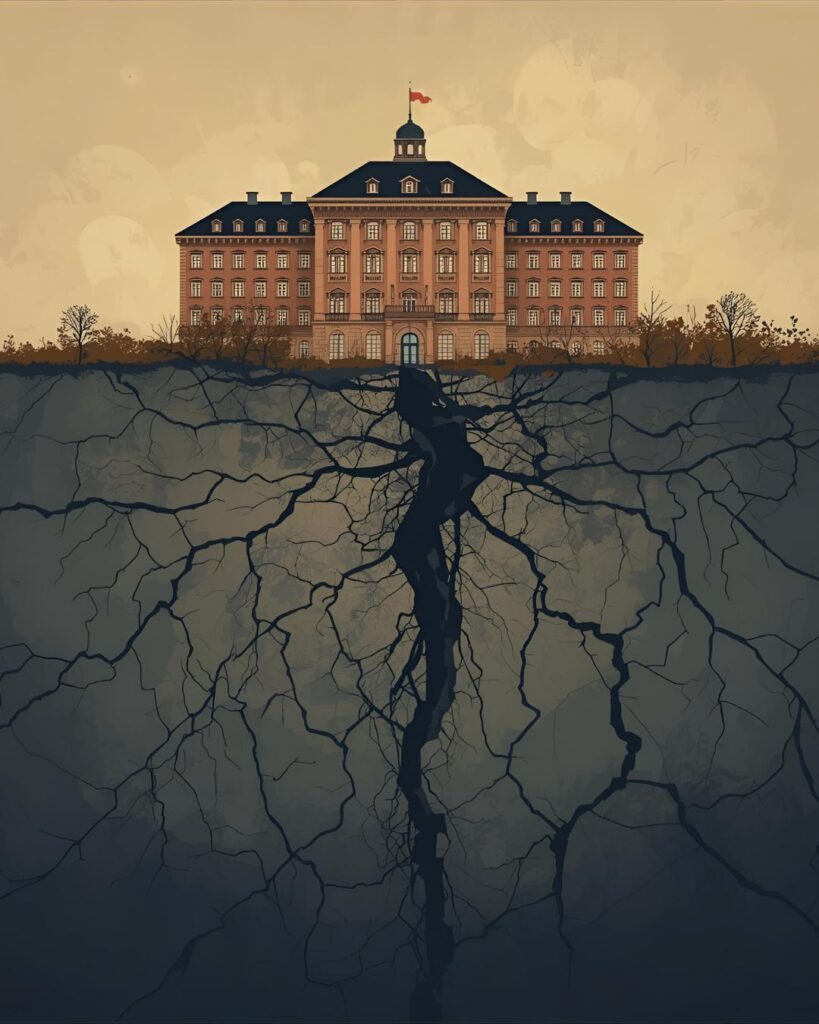
By: Dr. Eeks Trust in medical and public well-being leaders has been eroding for decades. People often miss a slow slide until something dramatic makes them look up. Then they mistake it for something new. For medicine and public well-being, that “big thing” was the COVID pandemic. Historicalpollingreviewed by Robert Blendon and colleagues shows that in 1966, roughly three-quarters of Americans expressed great confidence in medical leaders. By 2012, that number had fallen to about one-third. Analyses from the General Social Survey, a long-running national study byNORCat the University of Chicago, tell a similar story: from the 1970s onward,confidencein medical leaders has declined. In a survey published in 2014, compared with 29 other industrialized nations, the United States ranked nearthe bottomin trust toward physicians as a group. The only countries below us in the“Doctors Can be Trusted as a Group in Your Country” category were Russia, Poland, Bulgaria and Chile. It’s accurate to say that the pandemic did not start the distrust, but it absolutely pushed it downhill faster and made the slide visible to everyone. It’s worth noting that I’m not distinguishing here between “medicine” and “public physical wellness.” They are different disciplines with distinct aims—one focused on individual care, the other on populations—but in the public eye, their leadership often overlaps. Many medical leaders serve as public holistic health voices, and many public holistic health leaders come from medicine. The lines blur, especially in moments of crisis, when both are called to speak for “science.” Interestingly, Blendon and colleagues also found that even as trust in medical leaders fell, patients’satisfactionwith their last doctor visit stayed high. That split is telling. It suggests the distrust isn’t aimed at your doctor—it’s aimed at the bigger machine: the systems, the institutions, and the creeping feeling that empathy and altruism have been swapped out for something far more transactional and profitable. What did change during and after COVID was the speed and visibility of the drop for public holistic health agencies, public well-being professionals and “medical scientists” as a group. Polling fromPewshows declines in confidence in medical scientists from 2020 to 2025. Tracking fromKFF documentsa marked fall in trust in the CDC during the pandemic years, with continued strain into 2025. Those pandemic era shifts widened partisan gaps and pushed public well-being into the same trust headwinds that other institutions have faced. It’s the holistic health system itself. Americans often rate their own recent visit highly but report comparatively low trust in physicians as a group, a pattern that stands out internationally. Blendon’sworklinks this paradox to system level problems, especially cost and access, that people feel medical leaders have not solved. In 2011, Americans namedhigh costas the biggest issue in U. S. healthcare. It is 2025, and smart money says it is still cost. Most clinicians try to do right by patients, but incentives shape the system. When bills are unpredictable and care feels unaffordable, confidence in the profession’s leadership erodes even when individual clinicians provide good care. If a system appears to put profit before people, especially a holistic health system, why would anyone trust it? (I’ve had numerous doctors, mind-body health policy experts and researchers on myCauses or CuresPodcast discuss the for-profit bias in our healthcare system and how it erodes trust.) On a personal note, when I go to a doctor in the US, whether physician, dentist, or eye doctor, I always wonder if I really may benefit from a test, a procedure, or a medication and if the recommendation is coming from a profit-driven decision tree disguised as an evidence first decision tree. I always try to get a second opinion whenever and wherever I can. (Just keeping it real.) Medicalization and the Trust Gap: SociologistHui Zhengoffers several clues as to why trust has been slipping for so long. Using decades of General Social Survey data, she found that confidence in the institution of medicine has been declining at the same steady rate across all demographics—men and women, younger and older adults, wealthier and poorer Americans. The drop isn’t driven by any one group. She also shows that people’s views of physicians break into two dimensions: authority and ethics. Higher-income Americans tend to trust physicians’ ethics but resist their authority; lower-income Americans tend to doubt physicians’ ethics but feel more obligated to defer to their authority. Beyond that, Zheng argues that the expansion of medicine itself may unintentionally undermine trust. As more conditions are created or medicalized, as screening becomes more aggressive, and as expectations for perfect mind-body health grow, people often end up feeling sicker, more labeled, and less satisfied, despite living longer. Add to this the corporatization of medicine and the erosion of physician autonomy, and it’s easier to see why the system feels less altruistic and more transactional. In short: people still believe in medicine as a scientific enterprise, but they’re increasingly uneasy with the institutions that deliver it. Bombarded by Drug Commercials in Your Living Room: Commercialization and marketing have reshaped the healthcare environment. Direct-to-consumerdrug advertisingand promotion to clinicians grew sharply from the late 1990s through the 2010s. High-profile episodes in pharmaceutical marketing—especially around opioids—damaged industry credibility and raised questions about the neutrality of medical recommendations. Government enforcement actions and court cases against Purdue Pharma and related actors kept those stories in the headlines and in public memory. I highly recommendAmerican Cartelby Scott Higham and Sari Horwitz. It is a phenomenal, deeply documented account of the corruption that fueled the opioid epidemic, involving pharmaceutical companies and their lobbyists, regulatory agencies, and parts of the medical community. It will make your blood boil, especially if you have been personally impacted by the crisis. A Terrible History You Don’t Just Forget: Historical harms and unequal treatment have long tails. The legacy of the U. S. Public Physical wellness Service study atTuskegeeended in 1972, yet public disclosure in the 1970s shaped mistrust among many Black Americans for years. Similar scars exist elsewhere. In the 1970s, involuntary or coerced sterilizations of Native American women through theIndian Well-being Serviceleft deep intergenerational damage. TheHavasupaiTribe’s blood samples were used for research beyond the consent they believed they gave. Women have their own ledger of harms, from the Puerto Ricooral contraceptivetrials and theDalkon Shieldinjuries to ongoing patterns of undertreated body ache and higher maternal mortality for Black women. These histories sit alongside present day disparities in access and outcomes, which reinforces the belief that the system does not treat everyone equally. Low Institutional Trust All Around The broader crisis of institutional confidence matters. Long-term survey data fromNORC’sGeneral Social Survey,Pew, andGallupall show that Americans’ trust in major institutions, from government to education to science, has declined markedly since the 1970s. Medicine and public vitality are not exempt from that cultural shift; they are part of the same landscape of institutional skepticism. During COVID, several forces converged to erode confidence fast. Vaccinemandatescost some people their jobs, and people who reported serious adverse events often felt unheard. Early “one and done” vaccine messaging set expectations that later clashed with reality as protection waned and new variants outpaced the original shots. Guidance on masks and thesix feetrule rested on limited early evidence and was communicated unevenly, so updates felt like reversals rather than normal scientific adjustment. Public well-being officials also struggled to communicate uncertainty in a clear and honest way, which made scientific revision look like incompetence. Prolonged school closures and restrictions left many kidsbehind academicallyand strained family life. Youth mental well-being worsened and communities saw rises inanxiety,depression,andsubstance use. Politicization amplified every change, social media weaponized uncertainty, and high profile moments like the temporary pause of theJohnson and Johnsonvaccine dented trust that later updates did not fully repair. In the United States, a country that deeply values personal liberties, mandates built on uncertain evidence invite backlash. Public vitality works optimal when it reads the room first. The evidence suggests several themes. Be transparent aboutuncertaintyand tradeoffs. Take visible positions onsystem problemsthat people feel every day, especiallyaffordabilityand access. In fact, if more high-profile doctors and public physical wellness gurus called out the for-profit biases in their own system with the same natural energy they bring to debunking ‘quacks,’ misinformation, key essences, and toxin removal potions, trust would likely elevate. Enhance safeguards againstconflicts of interestand communicate them clearly. Invest in communitypartnershipsthat address historical mistrust and unequal outcomes. And continue building creative, understandable explanations of evidence sothat guidancefeels both reliable, relatable and usable. Those are practical steps that follow from the data and from the history of how trust eroded in the first place. Trust eroded for structural reasons long before COVID, and the pandemic made the cracks impossible to ignore. We will not fix this with better slogans or social media “gotchya” moments. We will fix it with transparency about uncertainty, visible stands on affordability, real conflict-of-interest guardrails, and partnerships that earn trust block by block. If you have thoughts or local ideas that work, tell me…, I’ll feature a few in a follow-up. **************************************************************************************************** Other gems from the blog: Preaching to the Choir Leaves the Town Cold *************************************************************************************************** You can contact Dr. Eeks atbloomingwellness. com. Follow Eeks onInstagramhere. OrFacebookhere. OrX. OnYoutube. OrTikTok. SUBSCRIBE to her WEEKLY newsletter here!(Now featuring interviews with top experts on vitality you care about!)